Spring Planning Tips for Cement Pathway Installation Projects
Spring is the perfect time to plan and enhance your property with durable, attractive cement pathways installed by trusted local contractors.
Spring is a popular season for installing or upgrading cement pathways because the milder weather and longer daylight hours create ideal conditions for outdoor construction projects. As the ground warms and dries out after winter, it becomes more manageable to prepare the site, lay foundations, and ensure proper curing. This seasonal window allows property owners to plan ahead for summer use, whether for enhancing curb appeal, improving accessibility, or creating a safe walkway around the property. Many local contractors see spring as an optimal time to start these projects, helping homeowners and property managers get a head start on summer outdoor improvements.
Typically, cement pathway installation services include site assessment, excavation, base preparation, and the pouring and finishing of the concrete surface. Service providers may also offer options for decorative finishes, edging, and sealing to improve durability and appearance. Proper installation ensures the pathway is level, stable, and resistant to cracking or shifting over time. Consulting with local contractors can help property owners understand the scope of work involved, select suitable materials, and customize the design to match the property's aesthetic and functional needs.
When exploring options for cement pathway installation, property owners can compare local service providers by reviewing their experience, service offerings, and reputation within the community. It’s helpful to consider the types of projects each contractor has completed and seek recommendations or references if available. Comparing multiple local contractors allows property owners to evaluate their approach, craftsmanship, and professionalism, ensuring they find a provider well-suited to their specific project requirements. This approach fosters informed decisions and helps ensure the chosen service provider can deliver a durable, attractive pathway that complements the property.
Compare local contractors’ experience and services to find the best fit for your spring pathway project.
- Expert Cement Pathway Installation - Local contractors can provide professional installation to enhance outdoor pathways.
- Material Selection Guidance - Service providers can assist in choosing durable and suitable cement options for spring projects.
- Surface Preparation and Planning - Local pros ensure proper site prep for a stable and long-lasting pathway.
- Spring Project Planning - Contractors can help coordinate your pathway installation as part of seasonal outdoor upgrades.

Before comparing options, clearly describe your cement pathway project to help local contractors recommend suitable solutions.
- Assess the site for proper drainage and level ground to ensure a stable foundation for the pathway. - Local contractors can evaluate the terrain and recommend suitable preparations before installation.
- Consider the desired width and length of the pathway to match the landscape and usage needs. - Local service providers can help plan dimensions that complement the outdoor space.
- Check for existing vegetation or obstacles that may need removal or adjustment prior to installation. - Local pros can handle clearing and preparing the area for a smooth process.
- Decide on the type of cement mix and finish to achieve the aesthetic and durability goals. - Local contractors can advise on materials and finishing techniques suitable for spring installation.
- Ensure the pathway design accounts for expansion joints to prevent cracking over time. - Local service providers can incorporate proper joint placement during installation.
- Plan for appropriate edging materials to contain the cement and maintain the pathway’s shape. - Local pros can install edging that enhances stability and appearance.
Spring is a great time to explore ideas and connect with local contractors for pathway projects.

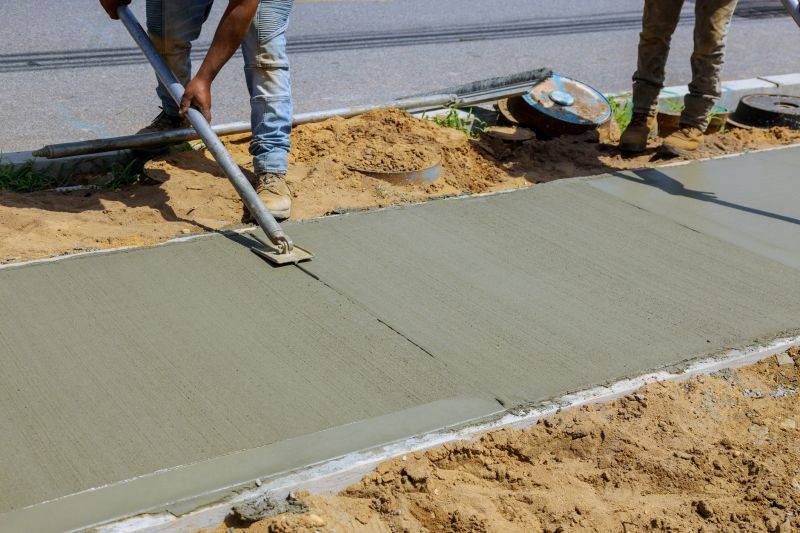
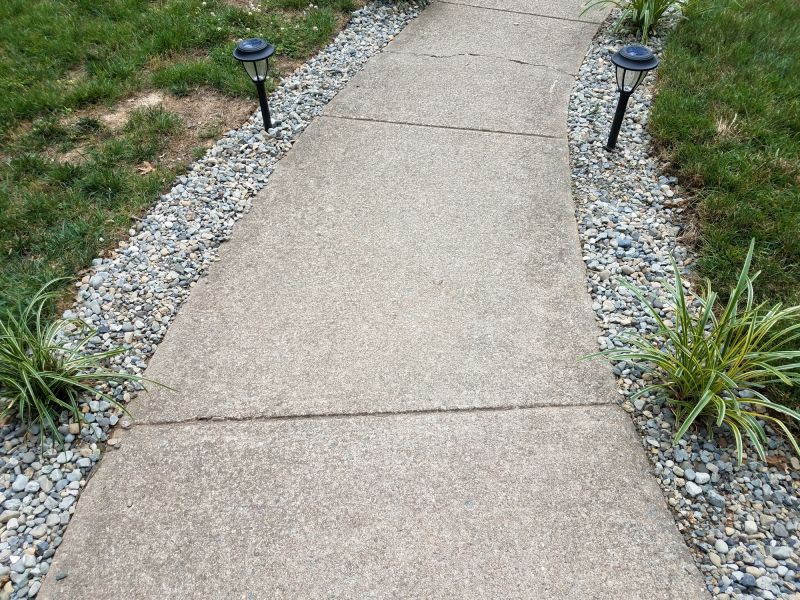
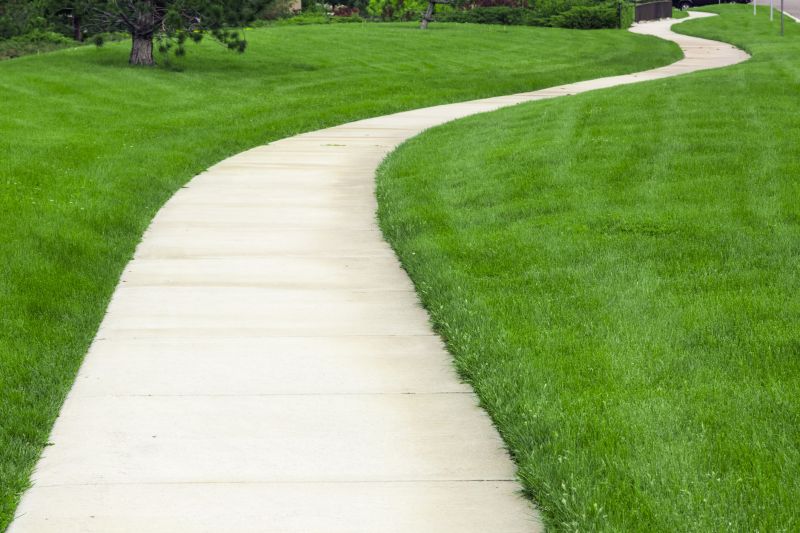
Plan your spring cement pathway project by identifying priorities and comparing local contractors to find the best fit.
- Preparing the Site - Spring is a great time to assess the area for a new cement pathway and clear any debris or vegetation to ensure a smooth installation process.
- Design Planning - Consider different pathway styles and layouts to enhance outdoor aesthetics and functionality for the upcoming season.
- Material Selection - Local contractors can assist in choosing the right type of cement and finishing options suitable for spring weather conditions.
- Foundation and Base - Properly preparing the ground and installing a stable base can help ensure the longevity of the pathway through the warmer months.
- Installation Process - Experienced service providers can handle the pouring, leveling, and finishing of the cement to create a durable, attractive walkway.
Compare local contractors' scope options for cement pathway installation to ensure consistent standards across providers during your spring project planning.
- Site Assessment - Define the area where the pathway will be installed, including measurements and layout considerations.
- Material Selection - Determine the type and quality of cement and finishing materials suitable for the project.
- Subgrade Preparation - Ensure the ground is properly leveled, compacted, and prepared to support the pathway.
- Design Specifications - Establish the desired dimensions, thickness, and any decorative or functional features.
- Permitting Requirements - Identify any local regulations or permits needed for cement pathway installation.
When comparing service providers for cement pathway installation during the spring season, it is important to consider their experience with similar projects. Homeowners should inquire about contractors’ past work involving pathways, walkways, or concrete surfaces to gauge their familiarity with the specific requirements of such installations. An experienced provider will understand common site challenges, seasonal considerations, and best practices that help ensure a durable and attractive finished product. Reviewing portfolios or asking for references related to past projects can provide insight into their expertise and the quality of work they typically deliver.
Clarity in the scope of work is another essential factor when evaluating local contractors. A detailed, written description of the project helps prevent misunderstandings and ensures that expectations are aligned. Homeowners should seek service providers who can clearly outline the steps involved, materials to be used, and any preparatory work needed. This transparency allows for better planning, especially during spring when weather conditions can influence project timelines and site readiness. Clear communication about what is included - and what is not - supports a smoother installation process.
Work planning considerations are especially relevant during the spring season, as fluctuating weather patterns can impact scheduling and execution. Homeowners should ask potential contractors how they plan to accommodate seasonal variables, such as rain or temperature changes, to minimize delays. Experienced service providers typically have strategies for weather-related adjustments, including protective measures and flexible scheduling. Understanding how a contractor plans their workflow and manages potential disruptions can help ensure the project progresses efficiently and with minimal surprises.
When evaluating options among local service providers, it is helpful to consider their overall approach to project planning and communication. Homeowners can assess how well each contractor explains their process, the level of detail provided in their proposals, and their responsiveness to questions. Additionally, considering the contractor’s reputation for reliability and professionalism can be valuable. By focusing on experience with similar projects, clarity of scope, and thoughtful work planning, homeowners can make more informed decisions that support a successful cement pathway installation during the spring season.
Request written details from local contractors to ensure clarity and consistency for your spring cement pathway project.
- Spring-Season Planning for Pathway Installation - What factors should be considered when comparing local contractors' scope of work for cement pathways?
- Material and Finish Options - How do different local service providers define the scope of cement pathway styles and surface treatments?
- Scope of Site Preparation - What site preparation tasks are typically included in the scope of local contractors' cement pathway installation services?
- Customization and Design - How do local pros outline scope details for custom designs or specific pathway features during installation?
- Maintenance and Longevity - What scope elements do local service providers include to ensure the durability of cement pathways over time?
What is involved in installing a cement pathway? Installing a cement pathway typically involves preparing the ground, setting a stable base, and pouring and finishing the concrete to create a durable surface suitable for foot traffic or light vehicles.
How should I prepare the area for a new cement pathway? Proper preparation includes clearing the area of debris, excavating to the desired depth, and ensuring a level, well-compacted base to support the concrete and prevent cracking.
Can existing pathways be replaced or extended with new cement? Yes, local contractors can remove old or damaged pathways and extend or replace them with new cement, ensuring a seamless and stable surface.
What are common design options for cement pathways? Common options include different finishes such as stamped, brushed, or exposed aggregate, as well as various shapes and border styles to complement outdoor aesthetics.
Is spring a good season for installing a cement pathway? Spring is often ideal for installation, as moderate temperatures and dry weather help ensure proper curing and a long-lasting finish.
How can I find local contractors to install a cement pathway? This site can help connect with experienced local service providers who specialize in cement pathway installation and can assist with planning and execution.
This page has provided an overview of cement pathway installation, highlighting key considerations such as planning, material options, and the benefits of professional installation. Visitors now have a better understanding of what the process involves and how a properly installed pathway can enhance outdoor spaces. To explore available options and find experienced local contractors who can handle the job, using the quote form can be an effective way to compare services in the area.
Spring is an ideal time to refresh outdoor areas with a new cement pathway. By reaching out through the quote form, homeowners can connect with local service providers to discuss project ideas and gather information. Comparing local options ensures choosing the right professionals for the job, tailored to individual needs and preferences.
Providing clear details about your cement pathway project helps local contractors understand your needs and plan effectively.
- Project Details - Share specific measurements, layout preferences, and any existing features to help local contractors plan the installation.
- Material Preferences - Indicate the type of cement or finishing style desired for the pathway.
- Site Conditions - Describe the current condition of the installation area, including access and terrain considerations.
- Additional Features - Mention any decorative elements or design features to be incorporated into the pathway.